Generalization: Why Your Dog “Knows It” at Home but Not Anywhere Else
One of the most common frustrations I hear from rally and obedience teams is, "But he knows this." And usually, they're right. The dog can sit. The dog can heel. The dog can pivot cleanly and perform beautifully in the space where the behavior was originally taught.
The problem shows up when something changes.
You move from the living room to the kitchen. You go from the basement to the garage. You step outside. Suddenly, it looks like the dog has never heard the cue before. This is almost always a generalization problem.
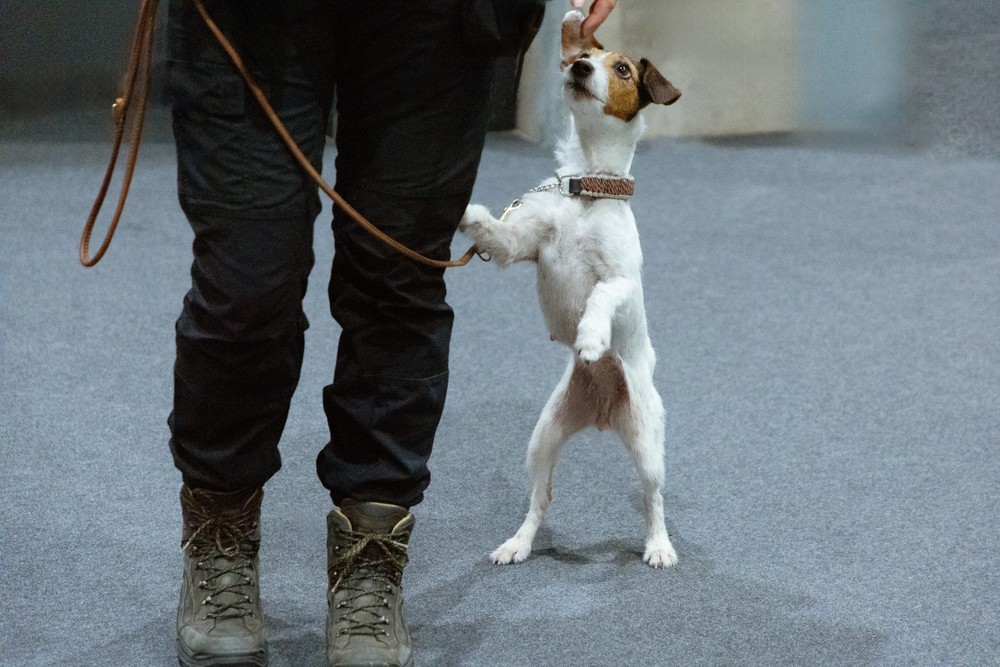
What Generalization Actually Means
Generalization simply means that your dog understands a behavior well enough to apply it in different contexts. When we teach something new, we tend to think we are teaching the word or the signal. In reality, dogs are learning the entire picture that surrounds that behavior. They notice the room, the flooring, the lighting, your posture, your movement patterns, and even the time of day.
For example, if you always ask your dog to sit before placing their food bowl down, your dog may not be responding purely to the verbal cue "sit." The presence of the bowl, the kitchen routine, and the sequence of events leading up to mealtime all become part of the cue. If you then ask for a sit in the backyard with no bowl in sight, your dog may hesitate, not because they forgot the behavior, but because the picture looks different.
Dogs do not automatically understand that a cue means the same thing everywhere. That understanding has to be built deliberately.
It Is Not Just About Changing Locations
Many people assume that generalization simply means practicing in new places, and location is certainly one layer of it. However, dogs are incredibly sensitive to small changes that we barely notice. They pay close attention to our body language and movement patterns. If you consistently cue a behavior while standing upright with your hands in a particular position, that posture becomes part of the learning.
If you suddenly change your body position, your dog may struggle even though the verbal cue is the same.
This is why true generalization requires us to intentionally vary the picture. That might include changing:
- Your hand position
- Your posture
- Your movement
- The direction you are facing
- What you are holding
When we systematically vary these elements, we help our dogs learn that the cue itself is what predicts the behavior, not all the surrounding details.
Start Small: Same Room, Small Adjustments
The biggest mistake people make with generalization is going too big too fast. They move from a quiet living room to a busy park and expect the behavior to hold. Instead, begin in your usual training space and make very small changes.
You might:
- Train in a different corner of the room
- Face a new direction
- Stand a few feet to the left or right of your normal spot
- Shift your starting position slightly
Even these subtle changes can create hesitation in a dog who has only practiced in one very specific setup.
Handler generalization is equally important. Try cueing behaviors while:
- Sitting in a chair
- Sitting on the floor
- Placing your hands behind your back
- Raising your arms overhead
- Turning your back before asking
Some dogs will handle these changes easily. Others will pause and think. That pause tells you the dog had incorporated your typical posture into the cue. If they struggle, break it down. Make the change smaller and build gradually. The goal is not to catch your dog off guard, but to help them succeed in slightly different pictures.
Move to a Different Room
Once your dog is handling variations within one space, change rooms inside your house. Choose another familiar indoor location and keep distractions relatively low at first. Even subtle differences like flooring, lighting, or smells can impact performance.
When you introduce a new room, lower criteria. Choose behaviors your dog knows well and reinforce generously for success. Remember that generalization is not about testing your dog. It is about building a strong reinforcement history in new environments.
Use the Entryway as a Bridge
For many dogs, the biggest leap is going from inside to outside. Outdoor environments bring smells, sounds, movement, and unpredictability that are largely out of your control. A very smart transitional step is your entryway.
The entryway often carries built-in excitement. It predicts walks, leashes, and adventures. That elevated arousal makes it a useful training location because it allows you to practice focus in a slightly more stimulating environment while still maintaining control.
Start with the door closed and assess your dog's mental state. I like to begin with a simple readiness check, such as a quick engagement game. Can your dog offer eye contact? Can they reset back to you after a tossed treat without immediately fixating on the door? Reward calm engagement heavily.
When that feels solid, try working with the door open if it is safe to do so. Expect it to be harder. If your dog struggles, increase distance from the doorway or lower the difficulty of the behaviors you are asking for. Gradually work closer as your dog shows they can remain engaged.
Stepping Outdoors
Training outside introduces a completely different sensory experience. There are new smells, distant noises, visual movement, and environmental factors that are impossible to fully control. Because of that, your first outdoor sessions should be intentionally simple.
Choose the least distracting outdoor location available to you, such as:
- A quiet corner of your yard
- An empty parking lot
- A calm, familiar space with minimal foot traffic
Begin with engagement rather than formal behaviors. Use a readiness check to gauge whether your dog is mentally available for work. Look for quick check-ins and the ability to reset back to you after reinforcement. If your dog cannot engage, that is feedback to make things easier, not to push harder.
Once your dog demonstrates focus, layer in simple, well-known behaviors. Keep sessions short and upbeat, and end before your dog becomes overwhelmed.
Brand New Locations Build Reliability
Eventually, you will take your dog somewhere completely new, whether that is a park, a training building, or a trial site. New locations are where you truly see whether generalization has been built thoughtfully.
When working in a brand new space:
- Begin with engagement
- Lower criteria
- Choose familiar behaviors
- Reinforce generously
- Keep sessions short
Offering focus in a new location is already a success. Over time, as your dog experiences working in varied environments, their understanding deepens. They begin to recognize that cues mean the same thing regardless of the setting.
Generalization Is Something You Train
Generalization does not happen automatically. It is not something dogs simply figure out with maturity or repetition in one place. It is a skill that requires intentional practice across different environments, postures, distractions, and contexts.
If your dog can only perform beautifully in your living room, that does not mean the behavior is solid. It means the behavior understands one specific picture. The more pictures you show your dog, the more flexible and reliable that behavior becomes.
When you walk into a rally trial, what you want is not just a dog who can perform at home. You want a dog who understands the cues deeply enough to perform anywhere, regardless of flooring, lighting, smells, or surrounding activity.
That kind of reliability doesn't happen all at once. It's built by making small changes, helping your dog succeed, and layering it carefully over time.
About the author
By accepting you will be accessing a service provided by a third-party external to https://www.fenzidogsportsacademy.com/


