Rally Foundations Training: Why Rally Falls Apart Without It (and Why It’s Never Too Late to Strengthen Them)
Rally foundations training usually becomes a hot topic when teams start feeling frustrated, stuck, or caught off guard by how hard rally suddenly feels. A lot of handlers start rally excited and confident, especially when early training goes well. Then something shifts. Courses feel tighter, dogs lose focus, heeling position drifts, and confidence dips.
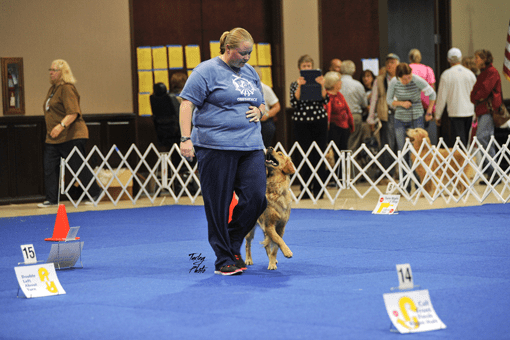
When that happens, it's easy to assume something went wrong. Like you missed a step, or your dog is suddenly being "difficult," or maybe you just aren't cut out for this. But honestly? In most cases, nothing went wrong at all.
One of the biggest myths in rally is that once you learn the signs, you're ready. Rally is often introduced as a sign-based sport: learn the signs, practice a few courses, and you're good to go. And for the beginning levels, that can actually work for a while. Novice courses leave room for error. Spaces are generous. Pressure stays fairly low. Many teams move through the early levels of rally without obvious struggles.
The problem is… rally doesn't stay there. As courses become more complex, dogs are asked to do much more than simply follow signs. Rally is a thinking sport. Dogs have to move with purpose, adjust speed, maintain position, and stay emotionally regulated while processing constant information from their handler. They need to stay connected through transitions. They need to respond without repeated cues. They need to keep working even when something feels a little off.
Those skills don't come from memorizing signs. They come from foundation work that builds real understanding, not just "getting through the course."
And this is why issues so often show up later instead of early. Early rally training usually happens in calm, familiar spaces. That matters more than people realize. Quiet environments hide foundation gaps. Dogs appear confident because the demands are low. Handlers feel successful because nothing is truly pushing the edges yet.
Then difficulty increases, and those gaps finally show up. Dogs may forge, lag, sit crooked, or disconnect. Some speed up. Others slow down or shut down. And it can feel like it came out of nowhere.
But it didn't. It just wasn't visible before.
That's also why I'm always saying that foundations aren't just for beginners. This is where a lot of experienced teams get stuck mentally. There's a belief that foundations are something you "do at the beginning" and then move past. That mindset can make it hard to step back when things start to feel off. It can even feel embarrassing, like you should be beyond this stage already.
But foundations are not a phase. They're the glue. Even teams that have trialed, titled, and competed successfully benefit from revisiting rally foundations training. Strengthening connection, position awareness, and clarity helps every level. Going back to foundations isn't starting over. It's reinforcing what holds everything else together.
And here's the other hard truth: fixing problems later often feels so much harder than building correctly in the first place. When foundation gaps exist, dogs figure out ways to cope. Some dogs rely on constant handler help. Others rush through skills. Some disengage when pressure builds. Those patterns become habits, and habits are harder to change than skills are to teach. That's why proactive rally foundations training saves so much time, energy, and stress in the long run, even though it can feel like the "slow way."
Strong rally foundations are usually pretty quiet. You don't see a dog being micromanaged every second. You see a dog offering attention. You don't see constant fixing and adjusting. You see understanding of position, smoother transitions, and calmer responses. There's less tension on both ends of the leash, and rally starts to feel predictable again (in the best way).
And the best part is: foundations can always be strengthened. Dogs change as they mature. Handlers change as goals evolve. Courses and rally patterns change too. A foundation that worked a year ago may need refreshing now, and that's completely normal. Reworking foundations isn't a sign you failed. It's what smart teams do as expectations increase.
Many handlers are surprised by how much easier rally feels after spending some time on foundations again. That's because dogs gain clarity when expectations stay consistent. They stop guessing and start understanding what their job really is. And handlers gain confidence when they understand why something is happening and how to support it. Training becomes intentional instead of reactive.
That confidence shows up in the ring. Mistakes feel manageable. Pressure feels lighter. Progress feels realistic. At the end of the day, rally should feel like teamwork, not survival.
When foundations are solid, dogs stay engaged even when things aren't perfect. Handlers trust their training. Courses feel like conversations instead of tests. That shift changes everything.
So whether you're just starting rally or you've been competing for years, foundations matter. They prevent problems, they repair confusion, and they support growth. Most importantly, they keep rally enjoyable for both dog and handler. Strong foundations don't slow progress — they make progress sustainable.
About the author

By accepting you will be accessing a service provided by a third-party external to https://www.fenzidogsportsacademy.com/


