Why Can't My Dog Watch Another Dog Train? Understanding Dog Frustration and FOMO
Dog frustration when watching other dogs train is something many handlers struggle with, especially when their dog loves to work. Your dog might be perfectly capable of settling at home, relaxing in their crate, or waiting patiently in other situations. But the moment you start training another dog, they start barking, whining, spinning, or doing everything they can to get your attention.
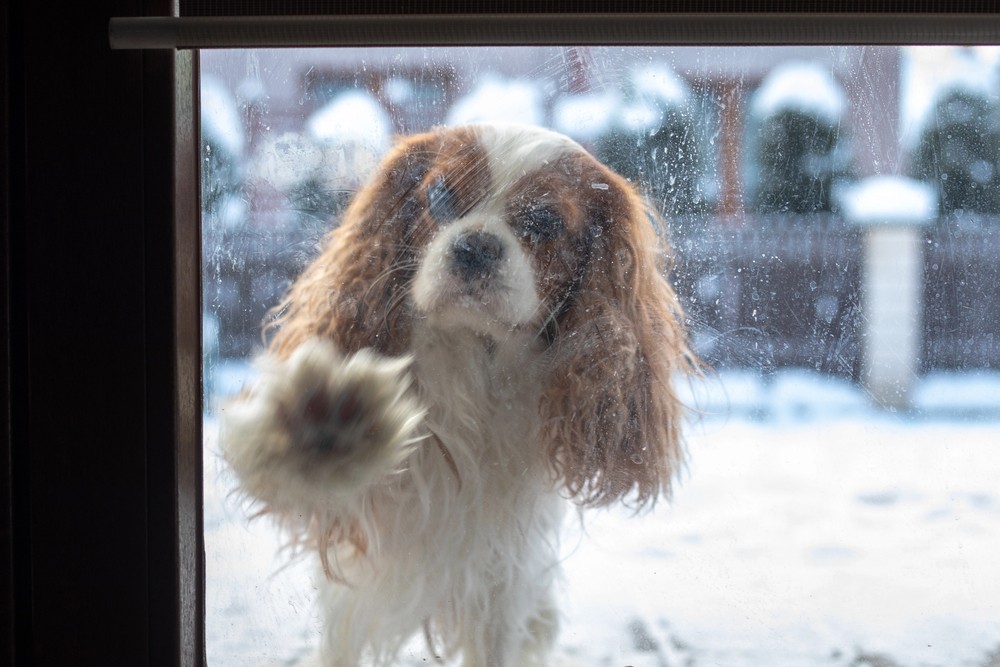
Sound familiar?
I've dealt with this myself with Excel, my Golden Retriever. He loves to train, and watching me work with another dog has been a real challenge for him. I've learned a lot through our experiences, especially about the difference between teaching a dog to stay in one place and helping them actually feel comfortable while they're waiting.
So why is watching another dog train so difficult for some dogs, and what can we do to help them become more comfortable with it?
Why Does My Dog Get Frustrated Watching Another Dog Train?
For dogs who love training, the opportunity to work with their handler can be incredibly reinforcing. They enjoy the interaction, the reinforcement, and the activities themselves. When another dog gets to participate while they're expected to wait, that can create a lot of frustration.
Think about it from your dog's perspective. They see you getting out the treats, setting up equipment, and doing all the things that normally mean something exciting is about to happen. They're ready to participate, but instead, they're watching another dog get all the attention.
For some dogs, that's no big deal. They can relax and wait for their turn. But for others, the anticipation and excitement build quickly, and they have a hard time handling the fact that they aren't the ones getting to work.
This is often what we refer to as FOMO, or fear of missing out. The dog wants to be involved in what's happening, and being unable to participate can lead to barking, whining, pacing, or other signs of frustration.
Why Can My Dog Work Beautifully but Struggle to Wait?
One of the things that can be confusing for handlers is that their dog might have excellent training skills. They can heel, perform complicated behaviors, respond to cues, and stay focused during a training session. But ask them to watch another dog work, and suddenly they seem to forget everything they know.
The important thing to understand is that working and waiting are two very different skills.
When your dog is actively training, they have a job to do. They're interacting with you, earning reinforcement, and participating in something they enjoy. They know what's expected of them, and they have some control over what happens next.
When they're watching another dog train, the situation is completely different. They can see all the exciting things happening, but they aren't able to participate. They may know how to lie on a mat or stay in a crate, but that doesn't necessarily mean they're comfortable doing those things while another dog is working.
Excel is a perfect example of this. He absolutely loves training, but for a long time, watching me work with another dog was incredibly difficult for him. At agility trials, he'd bark, spin, and get so worked up watching other dogs run that I was constantly trying to manage him. I spent a lot of time scattering treats, keeping him away from the action, and trying to prevent him from getting overwhelmed. Eventually, I stopped bringing him to trials because it was just too difficult.
I've spent a lot of time working on this, starting with things like stationing, relaxed downs, and gradually introducing the things that were so exciting for him. I didn't start by expecting him to calmly watch another dog run an agility course! We worked through much easier situations first and gradually increased the difficulty as he was ready.
One of the biggest milestones for us was being able to take Excel to an agility trial and have him relax in his crate while I ran another dog. He could also walk around the trial grounds without getting worked up and even sit ringside watching other dogs run! A few years ago, I wouldn't have imagined any of that being possible. He still struggles in some situations, especially when I'm training another dog, but we've come a long way. And it's been pretty rewarding to see all that work paying off!
Being good at training doesn't automatically mean a dog is good at waiting for their turn. That's a separate skill, and for some dogs, it takes quite a bit of practice.
Is It Excitement, Frustration, or Both?
It's easy to look at a dog who's barking or whining while another dog trains and assume they're just excited. And excitement certainly can be part of the picture! But excitement and frustration often go hand in hand, especially when a dog is anticipating something they really want to do.
A dog might start out excited because they recognize that training is about to happen. They see the equipment, hear familiar cues, or watch you get the treats ready. But when they realize they aren't going to be the one participating, that excitement can turn into frustration.
Some dogs become increasingly vocal, while others pace, spin, paw at their crate, or struggle to remain in position. You might even notice that your dog can handle watching for a short period but becomes more frustrated the longer they have to wait.
It's worth paying attention to when those behaviors begin. Does your dog start barking the moment another dog comes out? Can they watch calmly until you begin reinforcing the other dog? Do they struggle more when you're working on their favorite activities?
Those details can tell you quite a bit about what your dog is finding difficult.
Why Putting Your Dog in a Crate Doesn't Solve FOMO
One of the first things handlers often try when their dog struggles with FOMO is putting them in a crate while another dog works. And while crates can be a great management tool, simply putting a dog behind a barrier doesn't necessarily address the frustration they're experiencing. In fact, for some dogs, the crate can make that frustration even worse.
This is where barrier frustration comes into play. Barrier frustration occurs when a dog becomes frustrated because a physical barrier prevents them from accessing something they want. In this case, your dog can see or hear you training another dog, but they can't get to you or participate in the fun. They may start barking, whining, pawing at the crate, or becoming increasingly worked up. The crate isn't necessarily causing the frustration, but it can add another layer to an already challenging situation.
We also need to think about emotional regulation. Dogs who struggle with FOMO often have difficulty managing their excitement and frustration when something they really want is happening around them. They might understand that they're supposed to stay in their crate, but knowing what to do and being emotionally capable of handling the situation are two different things. A dog can remain in a crate without barking and still be tense, hyperfocused, or struggling to settle.
I think this is an important distinction. Our goal shouldn't be simply to contain the dog or stop the barking. We want to help them develop the ability to handle those exciting situations without becoming overwhelmed. That means teaching emotional regulation gradually, starting with situations the dog can manage and building toward more challenging ones as they're ready.
So when you're evaluating how your dog is doing, look beyond whether they're staying in their crate or being quiet. Can they actually relax? Are they able to disengage from what's happening around them? Or are they staring intensely at the other dog, just waiting for their chance to participate? Those are very different emotional states, even if both dogs are sitting quietly in their crates.
How Can You Help a Dog Who Struggles With FOMO?
If your dog struggles to watch another dog train, I wouldn't start by expecting them to sit through an entire training session. That's a pretty big challenge for a dog who already finds the situation frustrating.
Instead, think about how you can make the experience easier. Maybe your dog can watch for just a few seconds before you give them a break. Maybe they need more distance from the activity, or perhaps they do better when they can't see everything that's happening.
You can also work on building positive experiences around waiting. Rather than only asking your dog to settle when another dog is doing something exciting, practice in easier situations where they're more likely to be comfortable. Gradually introduce more challenging distractions as they're ready.
And pay attention to how your dog is responding. If they're becoming increasingly vocal, restless, or frustrated, that's useful information. It may mean the situation is too difficult right now, and you need to make an adjustment rather than continuing to ask them to wait.
The goal isn't to force your dog to tolerate something they're struggling with. It's to help them develop the skills and emotional comfort they need to handle those situations more successfully.
Don't Forget That Waiting Is a Skill Worth Training
We spend a lot of time teaching our dogs how to do things. We work on heeling, retrieves, agility skills, tricks, and all sorts of other behaviors. But how much time do we spend teaching them how to be comfortable when they aren't the ones doing the work?
For dogs who love training, that can be one of the most challenging skills of all.
And it's not just something that matters in multi-dog households. Dogs may need to wait while another dog takes a turn in class, while their handler talks to an instructor, or while other teams are working at a trial. Being able to handle those situations comfortably can make training and competing much more enjoyable for everyone.
I've learned through my own experiences with Excel that this isn't necessarily something dogs just figure out on their own. Some dogs need us to be very intentional about helping them learn that it's okay when another dog gets a turn.
Your Dog Doesn't Have to Be the Center of Every Training Session
If your dog struggles with FOMO, it's tempting to avoid the situations that trigger their frustration. And sometimes management is absolutely the right choice, especially when the dog isn't ready for that level of difficulty.
But I also think it's worth spending time helping our dogs develop the ability to wait comfortably. Not because they need to sit through everything we do, but because being able to relax when something exciting is happening can make life a lot easier for both of us.
Your dog doesn't have to love watching another dog train. They don't even have to be particularly interested in what's happening. What I'd like to see is a dog who can recognize that another dog is working and feel comfortable enough to relax rather than becoming increasingly frustrated.
For some dogs, that comes pretty easily. For others, it's a skill that needs just as much thoughtful training as anything else we teach them. And considering how much time our dogs spend waiting for their turn, I'd say it's a skill worth working on!
About the author

By accepting you will be accessing a service provided by a third-party external to https://www.fenzidogsportsacademy.com/


