Sample Lecture from Week 1: How to Become Curious About Your Own Playfulness
I am fully aware that I'm not just teaching people how to get their dogs to play in this class. Dog training is a team sport, and I'm working with YOU and your dog. For this lesson, I'm inviting you to consider what happens between two individuals when they play together, and that starts with the human... you! I want to help you become more aware of what you're bringing into the interaction before you ever invite your dog to play.
I'm asking a lot of you. It's going to involve vulnerability and uncertainty, and that can be uncomfortable. You're signing up because you want to improve play with your dogs. People often tell me they already feel inadequate because their dog won't tug, runs away with toys, gets overaroused, or seems uninterested. First off, your dog's behavior does not define you. You are not your dog. Y'all are separate beings doing the best you can, and you're supporting your dog wherever they are currently.
So when I'm asking some of you to become more playful, I expect some could feel like this is one more thing they're doing wrong. I think setting an expectation of being playful is heavy. Instead, I'm giving you permission (because that feels empowering) to experiment!
That's a completely different invitation. "What happens when you give yourself permission to do something a little differently?" I'm asking you to notice what happens when you introduce a tiny moment of play into something ordinary. Because that's exactly what you're asking your dogs to do when you invite them to play.
For the next week, I'm not asking you to become a more playful person. I'm asking you to become curious about what playfulness looks and feels like for you. In order to recognize and nurture play in our dogs, it helps to recognize what happens when we give ourselves permission to play. Playfulness isn't limited to a particular personality type. Creativity can be cultivated, and that requires experimentation. Experimentation involves vulnerability, and the fear of doing something wrong can interfere with the process.
Our dogs are sensors. They're paying attention to us and taking in their environment. Our movements, voices, expressions, and changes in our emotional state are all part of that environment, and those things can influence how they respond to us.
Imagine someone beginning a play session thinking:
- Am I doing this right?
- What if my dog doesn't want to play?
- What if they take the toy and leave?
- What if I can't get them excited?
- What will my instructor think when she watches this video?
Those thoughts can influence how someone moves, how they speak, how quickly they intervene, and how they interpret their dog's behavior. They might become more insistent, more hesitant, less spontaneous, or so focused on achieving an outcome that they miss the playful invitations their dog is already offering.
When we approach play with joy, curiosity, and flexibility, we're often better able to notice and respond to what our dogs are offering. If we bring worry and expectations, that can feel like pressure from the get-go. Worrying about getting something right can change our attention, movement, voice, and willingness to experiment. Dogs can respond to those changes, although not every dog responds the same way.
How do we invite playfulness? Start with observation. Think about when you last did something simply because it was enjoyable, without worrying about doing it correctly. Don't worry, you're just thinking, not sharing so far. When was the last time you threw your rolled-up napkin across the room toward the trash bin and yelled, "THREE POINTS!"? Ya know, the thing that your teacher in school would've told you to knock it off. Or skated on the back of a shopping cart across a few empty parking spaces? Or skipped a few steps instead of walking? When was the last time you danced a little when a favorite song came on? Have you ever danced in the car at a stoplight? When was the last time?
I really enjoy standing on the back of a shopping cart and riding it as far as I can when it's safe to do so. It makes me smile when others turn their heads as I ride past. It's fun for me. I can see how this would be mortifying for others. That's okay. I also enjoy doodling little faces on receipts for servers, along with a note thanking them for great service. They may never see it, but that was fun for me. Tinkering with a recipe and making it my own, that's in the playful wheelhouse.
Please know that not everyone experiences playfulness as joy, excitement, or laughter. Some people experience it as absorption, curiosity, creativity, a little challenge, or the satisfaction of figuring something out. Consider someone who loves arranging objects, experimenting with a recipe, inventing a solution, or playing with words. They might not recognize those experiences as playful because they're comparing themselves to my shopping cart example.
For my students that do not identify as playful, start with noticing rather than doing. Observe a playful impulse, even if you don't act on it. That still gives you useful information about what invites or interrupts playfulness.
There's something important here about the difference between doing something playful and allowing yourself to feel playful. Someone can go through the motions of skipping without experiencing any joy. But what happens when you experiment with it, add a little exaggeration, laugh at yourself, or discover you actually enjoy it?
You don't necessarily have to feel playful before you act playfully. Sometimes the action comes first. You add a little skip to your step, and suddenly you're smiling. You start moving to music, and your mood shifts. You draw a ridiculous little face on a sticky note, and you find yourself enjoying the moment. That isn't guaranteed, but it's something worth experimenting with. Playfulness doesn't have to be loud, physical, goofy, or performative. For some people, a quiet doodle or a moment of imaginative curiosity is every bit as playful as skipping down the sidewalk.
Maybe skipping feels ridiculous and uncomfortable, but doodling is delightful. Maybe dancing alone is wonderful, but dancing in front of someone feels awful. I don't want you to conclude that you're bad at being playful because you didn't enjoy skipping. I want you to get curious about what conditions help playfulness emerge. What feels natural? What feels uncomfortable? What makes you smile? What makes you hesitate? And perhaps most importantly, what happens when you stop worrying about doing it right?
Does it feel different when you're by yourself, in front of a few trusted people, or in front of strangers? This is all information, and imagine your dog has preferences as well. That's what we're going to try to discover, but we're starting with you because you can use words to explain how you feel. We will need to be great observers of our dogs. There's no shame if you don't enjoy some of your experiments that others might find fun. That's useful information.
And that's exactly what I want you to do with your dogs as we continue through this class. When we approach a play session worried about doing everything correctly, concerned about what happens next, or determined to achieve a particular outcome, those expectations can create pressure, and pressure usually changes the conversation. We don't need to manufacture happiness or pretend we're never stressed. Dogs can play with us when we're having difficult days, too. But we can learn to recognize when our expectations are turning an invitation into a demand.
We're practicing the emotional and behavioral flexibility that can make us better play partners. We're practicing being curious, flexible, and open to possibilities.
Your Homework: Invite a Moment of Playfulness Every Day
Starting this week, I want to invite you to experiment with playful moments in your everyday life. Not with your dog. Just with yourself. Find one playful moment each day, whether it's three seconds or three minutes.
Add a skip to an ordinary walk. Make up a ridiculous song. Toss something into a basket just for the fun of it. Notice how it feels. Does it feel different when you're by yourself, in front of a few trusted people, or in front of strangers? Remember, there's no shame if you don't enjoy something that others might find fun. That's useful information, too.
If you're feeling stuck on how to add playful moments into your everyday life, here are a few to get you going. These aren't things you have to do. They're simply invitations to experiment and discover what playfulness might look like for you.
Movement and Physical Play
- Skip a step. While walking somewhere, add one little skip. Later, try two or three. What changes in your body or mood?
- Dance breaks. When a song you enjoy comes on, move something. Start with a finger, shoulder, or hip. See where the music takes you.
- Shopping cart surfing. Give the cart a little push and glide along with it for a moment, somewhere safe and clear of other people.
- Take the scenic route. Walk along a curb like a balance beam, step over sidewalk cracks, or take a winding path instead of a straight line.
- Spin around. When was the last time you spun in a circle just because you could?
- Play with your shadow. Make it dance, stretch, or strike a ridiculous pose.
Creativity and Imagination
- Doodle something. Add a tiny drawing to a note, a whiteboard message, or your grocery list.
- Give something a personality. Imagine what your coffee mug, car, or vacuum cleaner would say if it could talk.
- Make up a silly song. Narrate what you're doing to a familiar tune.
- Change your handwriting. Write a grocery list in exaggerated fancy lettering, bubble letters, or with tiny illustrations.
- Find faces in things. Look for expressions in clouds, buildings, electrical outlets, or the patterns on the floor.
Social Play
- Make someone smile. Leave a silly note, share an unexpected compliment, or offer a ridiculous greeting.
- Be a little dramatic. Announce that dinner is ready as though you're presenting an award.
- Say yes to silliness. When someone invites you into a harmless playful moment, see what happens if you join instead of watching.
- Make an ordinary exchange extraordinary. Hand someone a pen as though you're presenting a royal sword.
Curiosity and Discovery
- Choose a different way. Take a different path through your house or yard just to see what you notice.
- Play with sound. Tap out a rhythm on the countertop or make up a sound effect for something you're doing.
- Collect tiny wonders. Find something ordinary that looks extraordinary when you pay attention.
- Break a harmless rule you've made for yourself. Sit on the floor instead of the couch. Eat breakfast food for dinner. Use the colorful pen.
As you experiment this week, I want you to notice what you enjoy, what you don't enjoy, and what makes you curious enough to try something again. You don't have to turn every experience into an analysis, but I do want you to start paying attention to the conditions that make playfulness more or less likely.
We're going to spend a lot of time in this class observing our dogs, wondering about their preferences, and experimenting with ways to invite them into play. This is your opportunity to experience some of that process yourself.
I'm not asking you to become a more playful person. I'm asking you to become more curious about your own playfulness. What invites it? What interrupts it? What makes you want to keep going?
Because those are the same questions I want you to start asking about your dog.
Your Reflection: Like, Wish, Wonder
At the end of the week, I'd like you to choose one of your playful experiments and share what you noticed. You don't need to document every day or prove that you had fun. I'm much more interested in what you discovered than what you did.
We're going to use a framework called Like, Wish, Wonder throughout this class. It gives us a way to reflect on our experiences without immediately judging them as right or wrong.
LIKE: What did you enjoy or appreciate about your experiment? Maybe you enjoyed the activity itself, or maybe you liked discovering something about yourself. You can even like that you recognized something wasn't enjoyable!
WISH: What would you change about the experience? Maybe you wish you'd tried it alone, chosen a different activity, or given yourself more time. What conditions might have made the experience more enjoyable?
WONDER: What are you curious about now? What might happen if you tried something different? What did this experience make you wonder about your dog's play preferences?
For example, maybe you decided to dance when your favorite song came on, but you felt uncomfortable because someone else was in the room.
Like: I liked the music and noticed I wanted to move before I started worrying about being watched.
Wish: I wish I'd tried this when I was alone so I could see whether I felt more comfortable.
Wonder: I wonder whether my dog experiences something similar when I invite them to play in front of other dogs or people.
You can share your reflection in writing. A few sentences are plenty! And if you didn't enjoy your experiment, I absolutely want to hear about that, too.
There's no expectation that you become more outgoing, more entertaining, or more comfortable being silly in public. There's no extra credit for being playful in front of strangers. Quiet, private, imaginative, or solitary play is just as valuable.
And if you couldn't bring yourself to try something playful this week, that's information worth exploring, too. What did you notice about your hesitation? What might make it easier to experiment next time?
The goal of this lesson isn't to discover how to be sillier or even how to become more playful. It's to recognize the conditions that make us feel comfortable exploring, experimenting, and enjoying ourselves. And perhaps even more importantly, to recognize that those conditions might be completely different for our dogs. What feels like an invitation to one individual might feel like pressure to another. That's why we're starting with curiosity, because before we can discover what makes playing together enjoyable, we need to recognize that we're bringing two different individuals into the conversation.
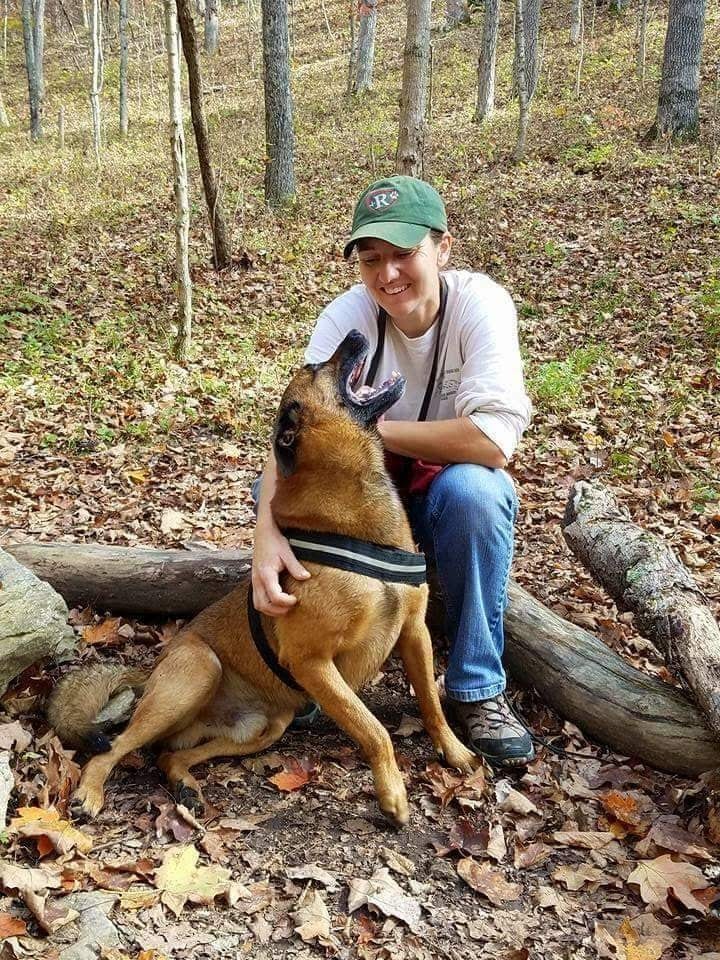 Instructor: Crystal Wing


