Course Details
3 WEEK CLASS – In Nosework, we’re often taught to reward at source. While this is important in the early stages, it’s only one option. Expanding how we deliver reinforcement can improve clarity, build duration, and better support the individual dog.
This course focuses on using marker cues intentionally to create clearer communication and stronger performance. Many dogs struggle to stay at source not because they don’t understand odor, but because they haven’t been taught how to hold position within a consistent marker system. A well-timed marker provides precise information about when and where reinforcement will happen, building intensity at source and leading to more readable behavior.
We’ll introduce Location Specific Markers (LSMs), which tell the dog not only that they’ve met criteria, but also how reinforcement will be delivered. Dogs benefit from knowing what to expect. Predictable reward delivery reduces guesswork and allows them to stay focused on the search.
You'll learn how to apply specific food and toy reward markes that communicate clear outcomes: “stay there, I’m bringing your reward” (room service), or “leave the hide and come to me” (take-out). We’ll also explore additional reward delivery strategies to increase motivation and focus during training.
A key component of this process is cue discrimination. Teaching your dog to differentiate between marker cues enhances decision-making, sharpens focus, and creates a more thoughtful, “thinking” dog. They’re not guessing or confused by our inconsistency. Clarity doesn’t come from just teaching one behavior well, but from helping our dogs understand the difference between multiple cues.
This is often the missing link in Nosework training. By developing clear marker systems and cue discrimination, you’ll create a more confident, engaged dog - one who not only finds the hide, but understands how to complete the job with confidence and enthusiasm for the reward.
Teaching Approach:
Lectures and Video Demonstrations
Lectures are released the night before each week and include both written and video descriptions of every exercise, presented in a clear step-by-step format. The lectures are designed to help a student understand the purpose of the exercise and how it might vary by team.
Homework & Practice
Homework assignments are listed at the end of each lecture for easy reference. Each week offers several exercises, tailored to the skill level and needs of both dog and handler. Teams progress at their own pace, working at a level where the dog demonstrates confidence and understanding. Gold students will have two options for submitting video: 6 minutes each week or unlimited 1 minute video. Sliver students will have 1:30 minutes of video homework time each week.
Feedback & Support
Gold students receive both general and personalized written feedback, often with timestamps for clarity. You may submit work from current or previous weeks to continue receiving guidance throughout the course. Silver students recieve both general feedback and personalized video for their weekly video submission. Each team is supported at the level they are working, with no expectation to progress beyond their dog’s readiness.
A Teacher’s Assistant (TA) will be available to support Bronze students. Directions for participating in the Bronze Student Forum will be provided in the classroom after registration.
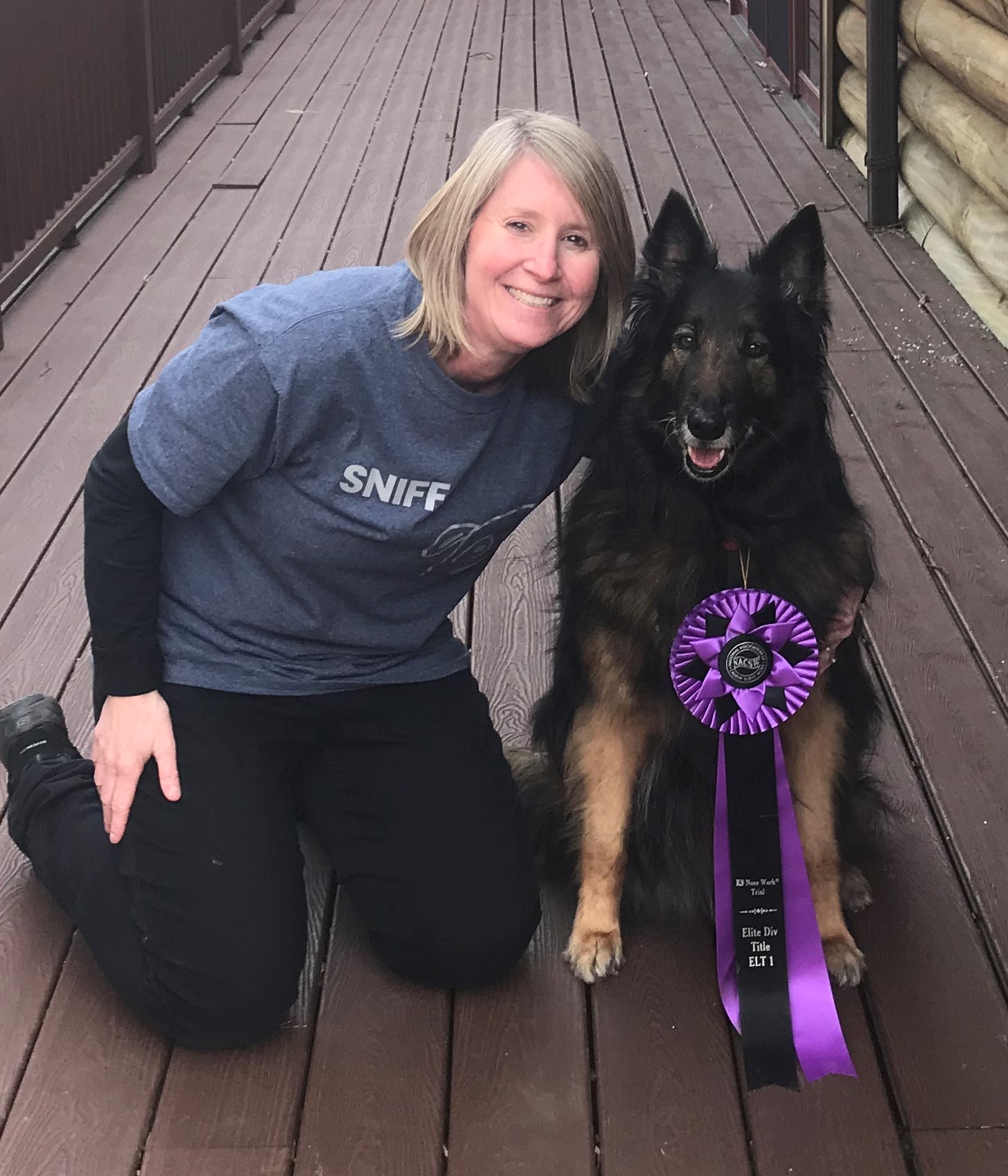 Instructor: Julie Symons
Julie Symons (she/her) has been involved in dog sports for over 30 years. Starting with her mix, Dreyfus, in flyball, she went on to train and compete in conformation, agility, obedience, herding and tracking with her first Belgian tervuren, Rival. Rival was the first CH OTCH MACH Belgian...(Click here for full bio and to view Julie's upcoming courses)


