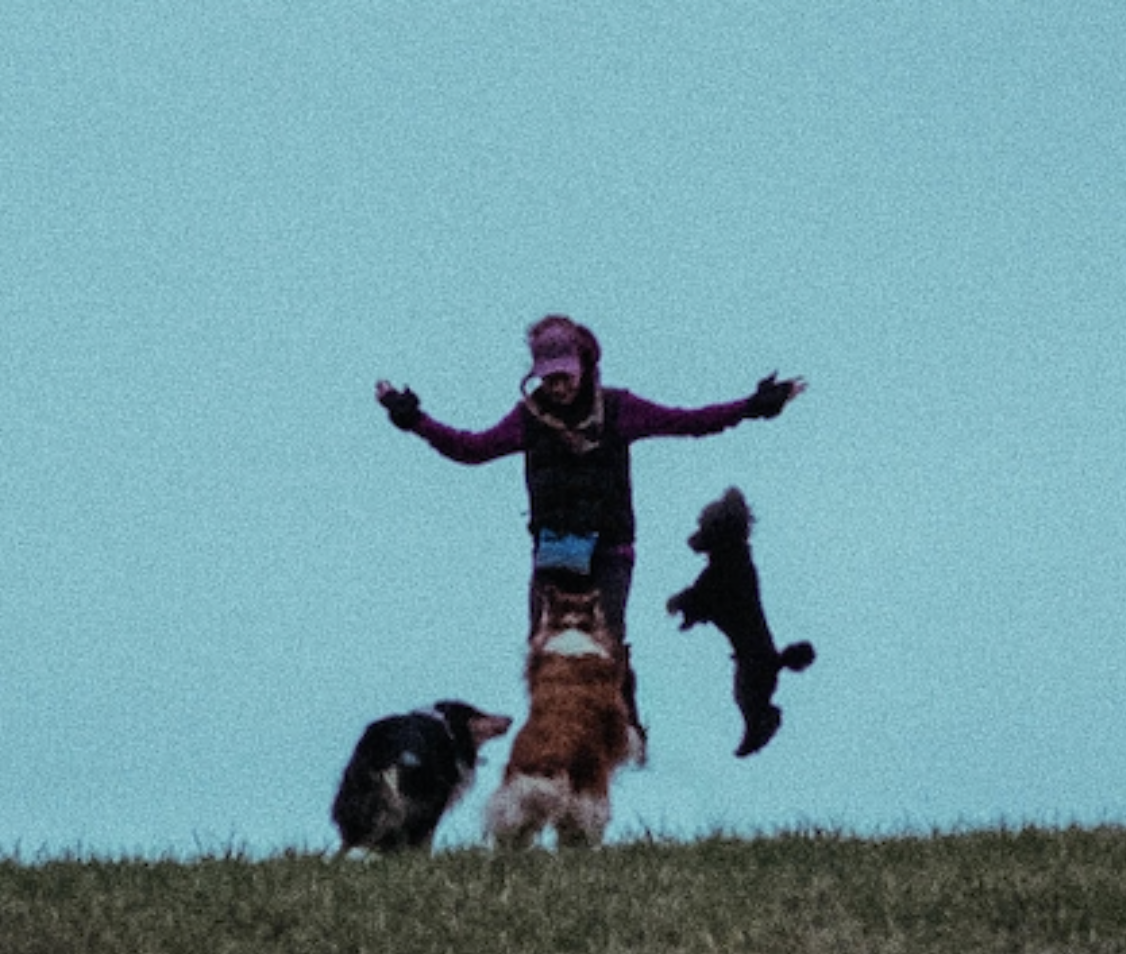
When we think about a reaction that our dog may have to a trigger in the environment—a big outburst, shutting down, excitability—there's one key element that occurs which makes this scenario so difficult: our dog disengages from us. Not only has our dog become distracted, but they are no longer responding to our best attempts to help them.
And the reason for this is really quite simple: we haven't taught our dogs that a distraction or trigger in the environment is, in fact, an opportunity to engage with us. And that's where The Look At That Game comes into play.
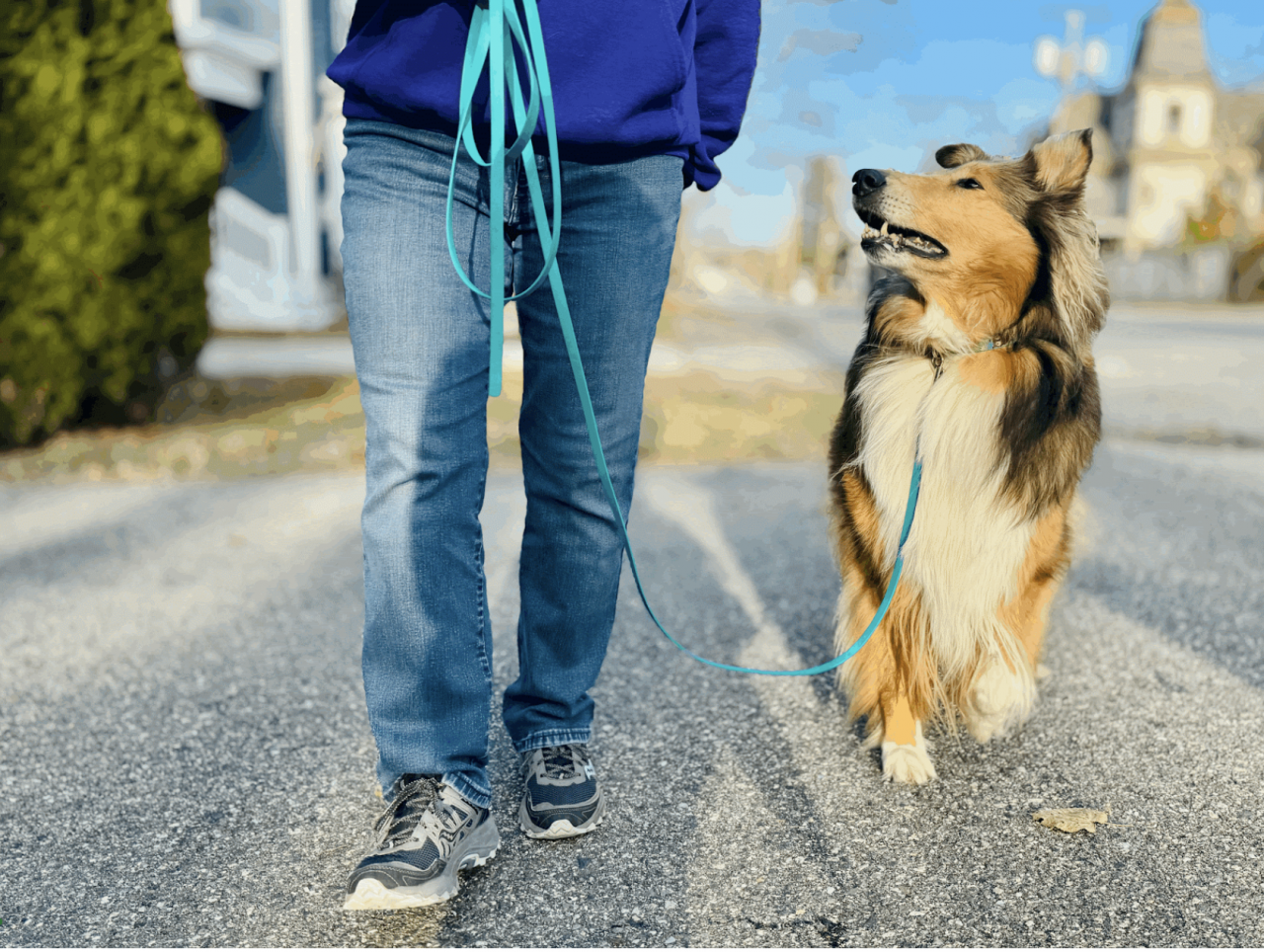
The Look At That Game—created by Leslie McDevitt—teaches our dog that we can have a conversation with them about something in the environment. No longer is a trigger something for them to respond to on their own. It now becomes an opportunity to engage with us!
However—it gets even better than that. When taught properly, The Look At That Game will actually change our dog's feelings about things in the environment. No longer are they concerned, distracted, or triggered. We can help support them in a way that improves their feelings.
In order to properly teach the Look At That Game in a way that successfully changes feelings, we approach it from two different directions:
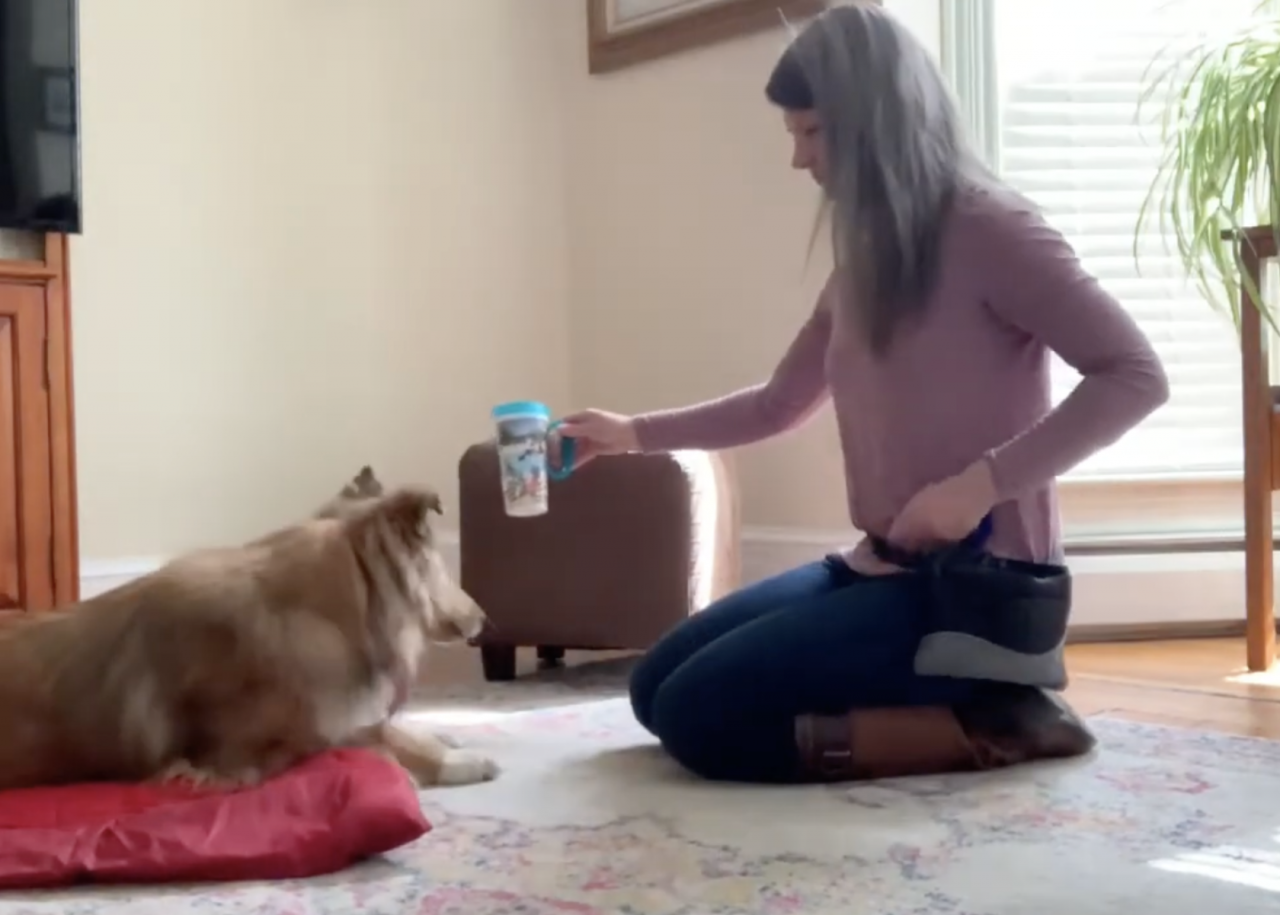
1. First, we teach our dog that looking at something is a behavior that earns reinforcement. We teach this systematically with neutral objects (NOs) only—we do not want to incorporate any big feelings into this process! It's a multi-step protocol that goes from using a visual lure all the way to adding a verbal cue so that our dogs are fluently pointing out objects to earn a reward.
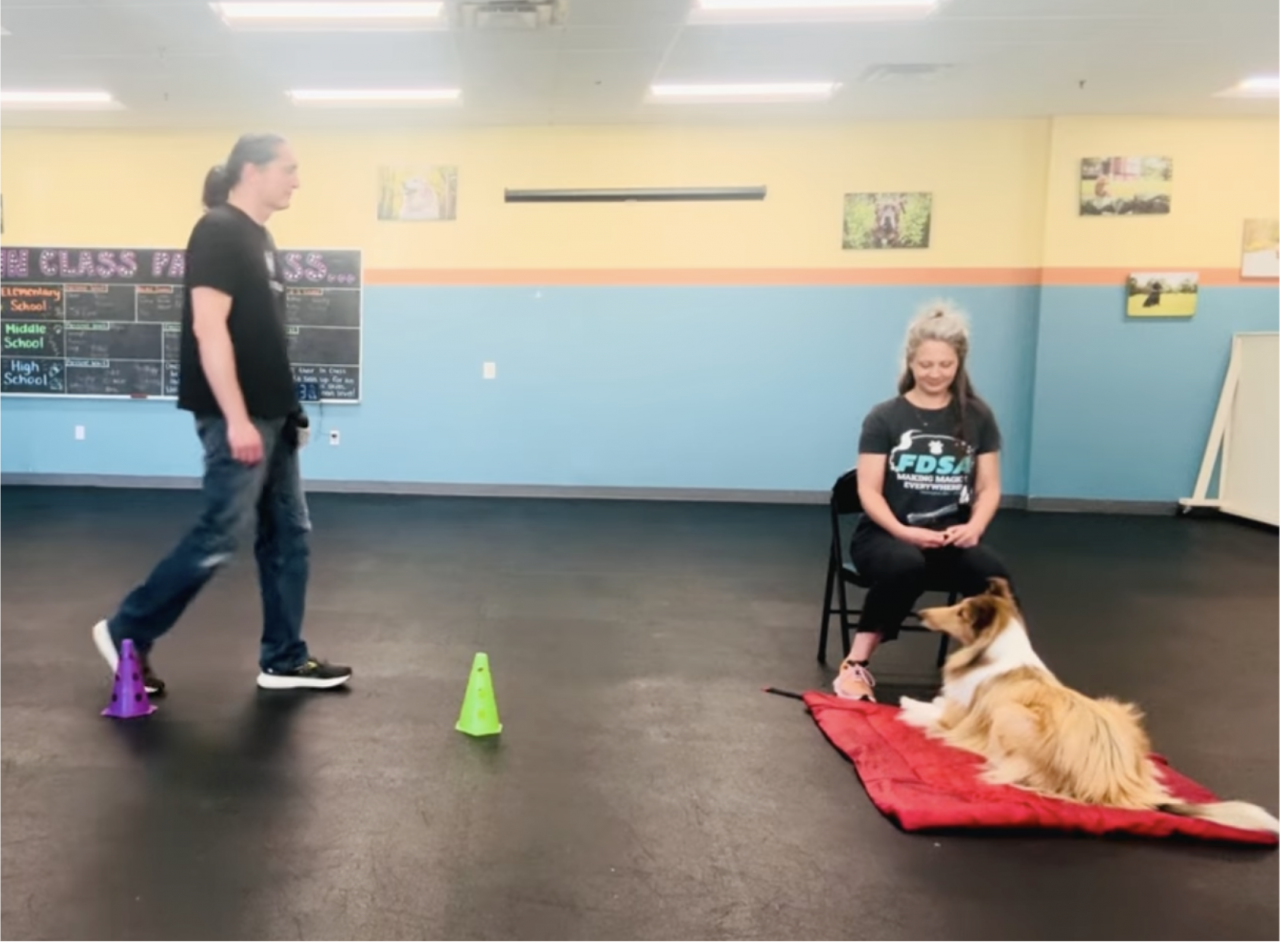
2. Once that skill is mastered, we can apply it to neutral helpers (NHs.) This process relies on classical conditioning—building a positive association to a NH approaching. As that association is built, it will naturally switch to an operant response when the dog discovers that they can point out the NH, using the skill that we had taught them with our NOs!
Eventually we will begin to generalize this to real world situations and the "look" will morph into an indication. But this process should not be rushed! In order to truly change feelings and help our dogs learn this life-changing protocol, we need to practice patience and smart training. All of your hard work will pay off in the end and you and your dog can enjoy our big wide world together with The Look At That Game!